Let’s be honest — few things are as comforting as a warm cup of tea in your hands. Whether it’s a slow morning ritual, an afternoon pick-me-up, or a soothing nightcap, there’s just something magical about it. But I’m not talking about your average black tea or sugary bottled iced tea here — I’m talking herbal tea.
Herbal teas are like nature’s medicine cabinet, steeped in centuries of tradition and packed with plant-powered goodness. And the best part? There’s truly something for everyone. From boosting your immune system to helping you sleep, soothing your stomach, or simply giving you a cozy feeling on a cold night — herbal teas can do it all. Today, I want to share a few of my favorite herbal ingredients — ones you can easily brew at home. So grab your favourite mug, settle in, and let’s sip our way through some healing herbs.
Let’s start with a lesser-known gem: mullein leaf.
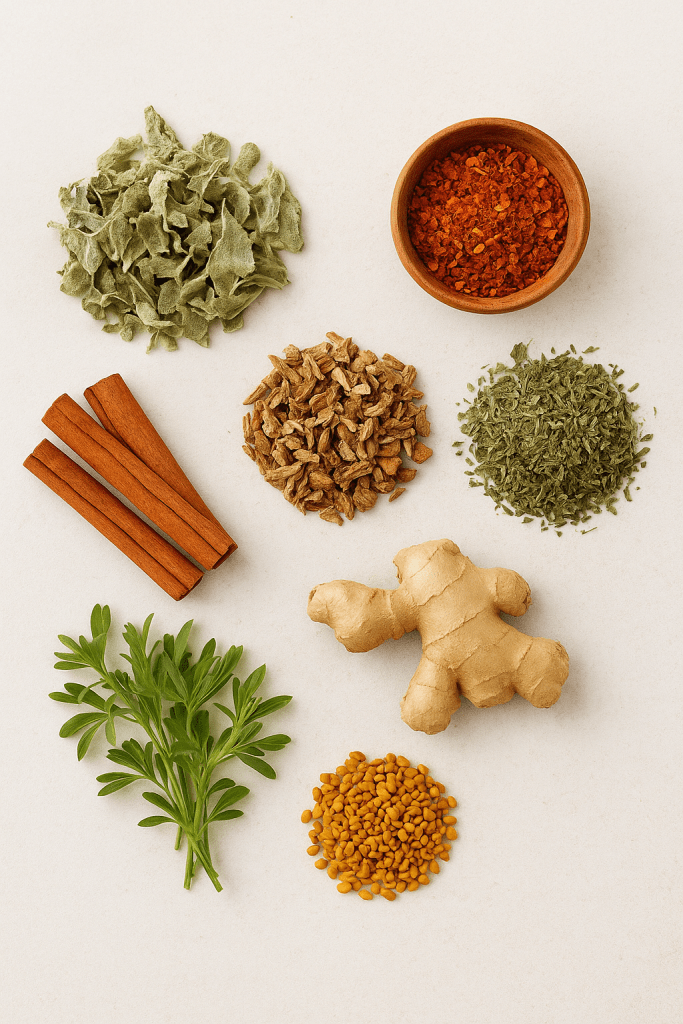
If you’ve ever struggled with congestion, allergies, or that nagging cough that just won’t quit, mullein tea might be your new best friend. It’s known for its soothing effect on the respiratory system. The leaves are soft and fuzzy (kind of like nature’s velvet), and when brewed, they help calm inflammation in the lungs and throat.
I like to think of mullein as a gentle lung cleanser — perfect after exposure to smoke, pollution, or during cold season. The taste is mild and earthy, and it blends beautifully with other herbs like peppermint or ginger. Just remember to strain it well, since the tiny leaf hairs can be a bit tickly if they sneak into your tea.
Yes, the “weed” you’ve been pulling out of your garden is actually a powerful herbal ally!
Dandelion root tea has been used for centuries to support liver health and digestion. It’s a natural detoxifier, helping your body flush out waste and support healthy bile flow. Plus, it’s surprisingly delicious — slightly roasted, with a flavor similar to coffee but without the caffeine crash.
If you’re trying to cut down on coffee, roasted dandelion root tea makes a perfect replacement. It’s also rich in minerals like iron, potassium, and calcium, giving your body a little extra nourishment with every sip.
I love drinking it in the morning before breakfast — it feels like giving my liver a little hug!
If there’s one herb that deserves a gold medal in the tea world, it’s ginger.
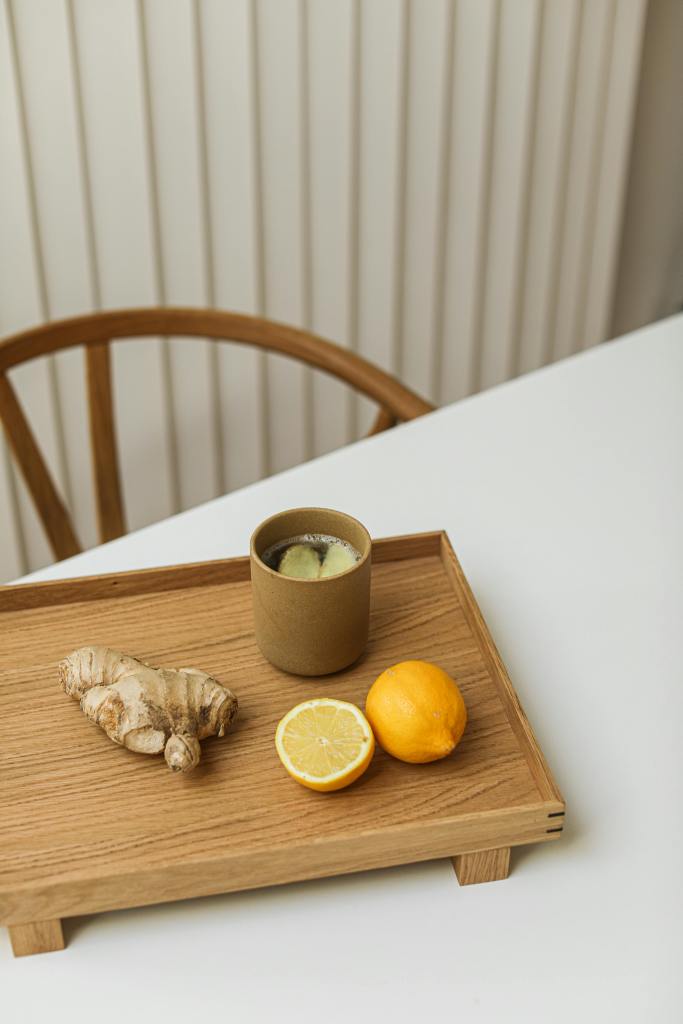
This fiery root has been loved for centuries across cultures — from Ayurveda to traditional Chinese medicine — for its digestive and anti-inflammatory powers. Feeling nauseous? Ginger tea. Sore throat? Ginger tea. Feeling chilly? Ginger tea (with a splash of lemon and honey — heaven!).
It helps improve circulation, ease stomach cramps, and fight off colds. Personally, I swear by fresh ginger tea when I feel a sore throat coming on. Just slice a few pieces of fresh ginger, boil them for 10 minutes, and add a drizzle of honey. It’s spicy, comforting, and seriously healing.
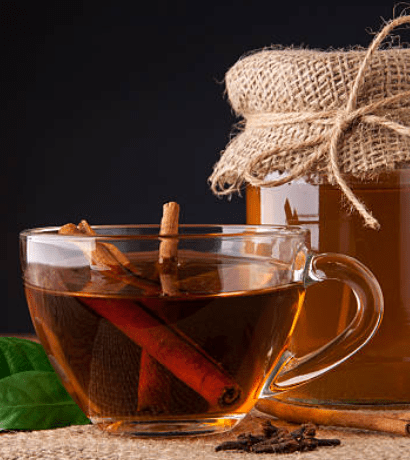
Ah, cinnamon — the cozy scent of autumn, holidays, and baked goodies. But beyond its delicious flavor, cinnamon tea offers some real health perks.
It helps balance blood sugar, boosts circulation, and is naturally antibacterial. That means it can help fight infections and support your immune system — especially in the colder months.
I like to mix cinnamon with a bit of ginger and clove when I need a warming, spicy blend that feels like a hug from the inside. It’s also great after meals to aid digestion and curb sweet cravings. Win-win!
If you’ve never heard of cleavers, don’t worry — most people haven’t! It’s a humble little plant that loves to cling to everything (hence the nickname “sticky weed”).
But in the herbal world, cleavers is known for its lymphatic-cleansing abilities. Think of it as your body’s natural drainage support system — helping your lymph flow freely so your immune system can do its job.
Cleavers tea has a mild, grassy taste, and it’s fantastic during springtime when you want to refresh your system after winter. You can also pair it with dandelion for a gentle full-body detox combo.
Okay, hear me out — cayenne pepper in tea might sound intense, but it’s incredible for circulation, metabolism, and even pain relief.
Just a tiny pinch in your tea can get your blood moving and warm you up from the inside out. It’s great for cold hands and feet or when you’re feeling sluggish. Cayenne can also help relieve congestion and even boost your immune system.
I like mixing it with lemon, ginger, and honey for a powerhouse immune-boosting drink. It’s spicy — yes — but oh so invigorating!
Fenugreek is one of those herbs that doesn’t get enough credit. These tiny golden seeds are full of nutrients and have a slightly maple-like flavor when steeped.
Traditionally, fenugreek tea has been used to support digestion, balance blood sugar, and even promote healthy lactation in new moms. It’s also said to help ease PMS symptoms and inflammation.
A little goes a long way, so just a teaspoon of seeds simmered in hot water for 10–15 minutes will do. Add a touch of cinnamon or honey, and you’ve got yourself a subtly sweet, comforting tea with serious health benefits.
☕ Mixing and Matching: Crafting Your Own Blends
One of the best things about herbal tea is that you can mix and match to your heart’s content. Want to create your own signature blend? Try pairing herbs for flavor and function. Here are a few ideas:
For immunity: Ginger + cinnamon + cayenne + honey
For digestion: Dandelion root + fennel + peppermint
For detox: Cleavers + dandelion + nettle
For relaxation: Chamomile + lemon balm + mullein
For energy: Green tea (or yerba mate) + cinnamon + ginger
It’s fun to experiment and see which combinations make you feel your best. Bonus: your kitchen will smell amazing.
🍵 How to Brew Herbal Tea Like a Pro
Brewing herbal tea is simple, but there are a few tips that make a big difference:
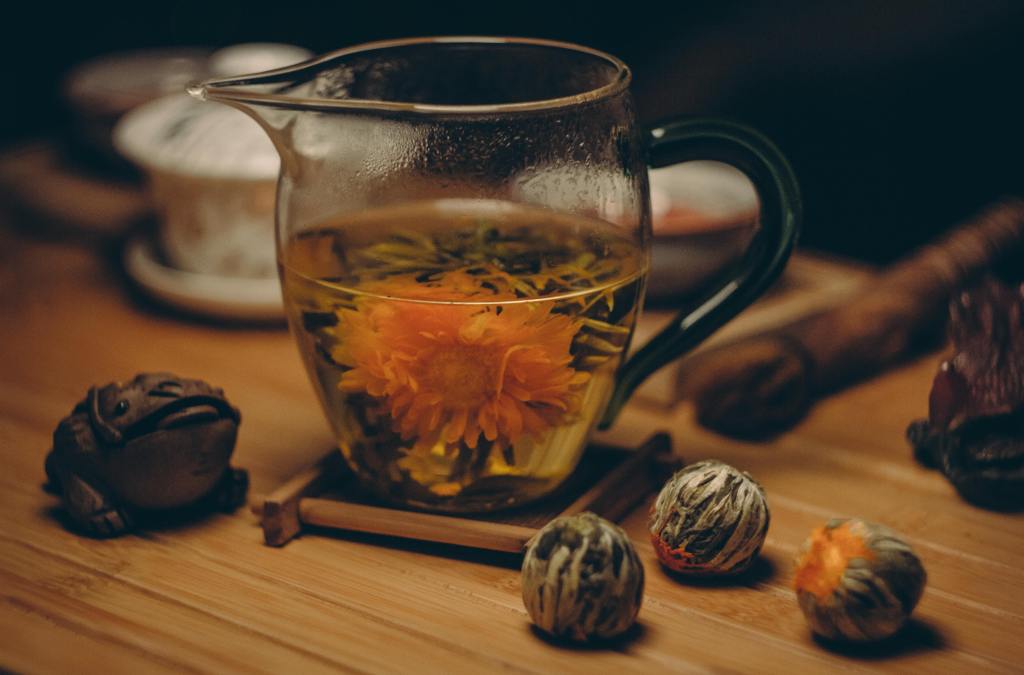
Use a good teapot or infuser — especially for loose herbs. (This is where your Amazon links will come in handy!)
Boil water properly — most herbs do best with just-boiled water (around 200°F).
Steep long enough — 5–10 minutes is great for leaves; roots and seeds may need 15–20 minutes.
Cover your cup while steeping — it traps in the essential oils and flavor.
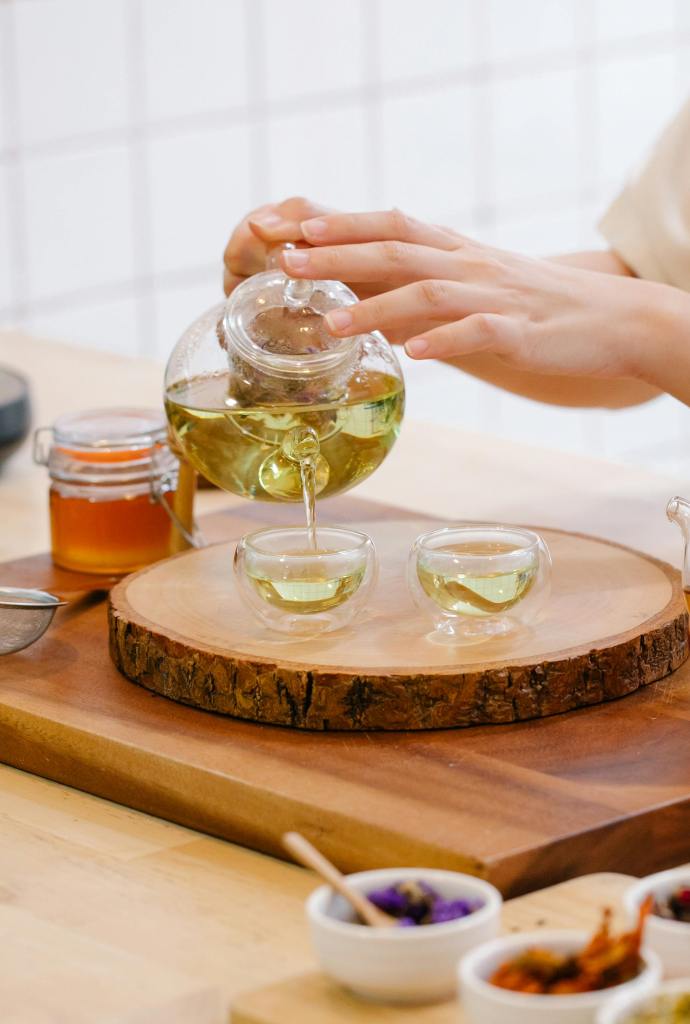
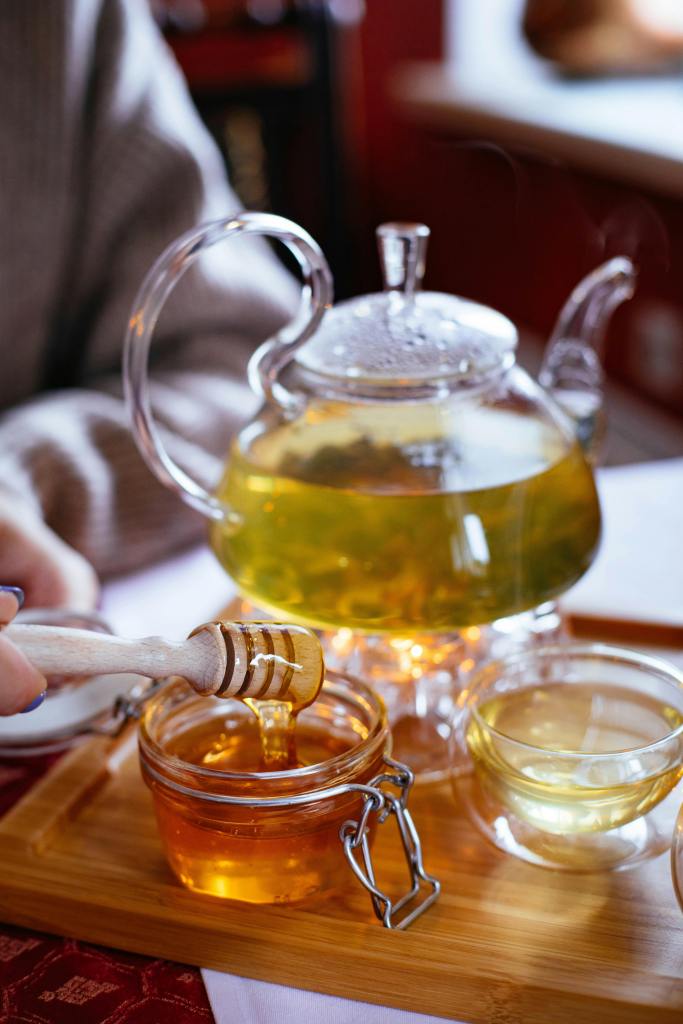
Sweeten mindfully — a drizzle of raw honey or a squeeze of lemon goes a long way.
At the end of the day, herbal tea isn’t just about health benefits — it’s about ritual. It’s about slowing down, nurturing your body, and giving yourself a few minutes of peace. Whether you’re brewing mullein for your lungs, dandelion for your liver, or ginger for your belly, every cup is a small act of self-care.
So go ahead — fill your teapot, try a new blend, and let nature do its thing. You’ll be amazed at how much goodness is waiting in those humble leaves and roots.
Cheers to health, comfort, and a well-steeped life! 🌿💛
Health disclaimer
I’m not a medical practitioner, and the information shared in this post is for general knowledge and educational purposes only. Herbal teas can offer many benefits, but they’re not a substitute for professional medical advice, diagnosis, or treatment. Always consult your doctor or qualified healthcare provider before using herbal remedies—especially if you’re pregnant, nursing, taking medications, or have an existing health condition.
Affiliate links
This post contains affiliate links. That means if you click on one and make a purchase, I may earn a small commission at no extra cost to you. I only recommend products I genuinely love or use myself — your support helps keep this blog brewing (and my tea cup full!). Thank you! 💛
Title: How Much Should You Walk to Lose 45 lbs? A Complete Guide by Age Group
Walking is one of the simplest, most accessible, and most effective forms of exercise to help you lose weight. If you’re aiming to shed 45 lbs, you’re not alone. Thousands of people are turning to walking as a reliable way to lose weight without the need for a gym membership or extreme diets. In this comprehensive guide, we break down how much you need to walk to lose 45 lbs, based on your age group, and provide tools and product recommendations to help you on your journey.
Losing 45 lbs can drastically improve your overall health by reducing your risk of chronic diseases like diabetes, heart disease, and joint issues. It can also increase your energy, improve mobility, and boost your self-esteem. Check out my planner to help you monitor your walking, meal plan, progress tracker WALK PLANNER
To lose 1 pound of fat, you need to burn approximately 3,500 calories. Therefore, losing 45 lbs equates to burning around 157,500 calories. On average, walking one mile burns about 100 calories, depending on weight, pace, and terrain.
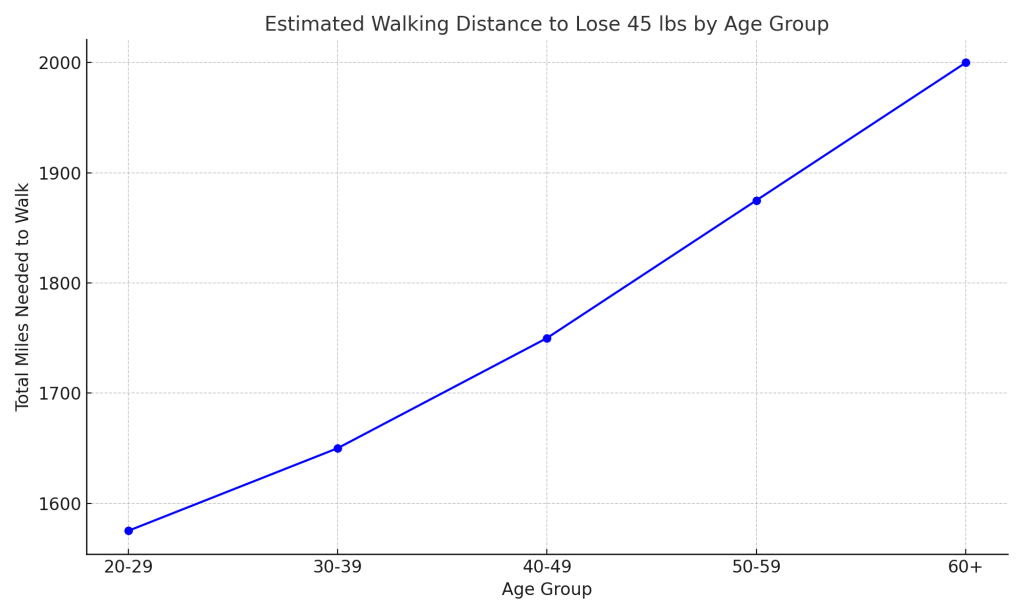
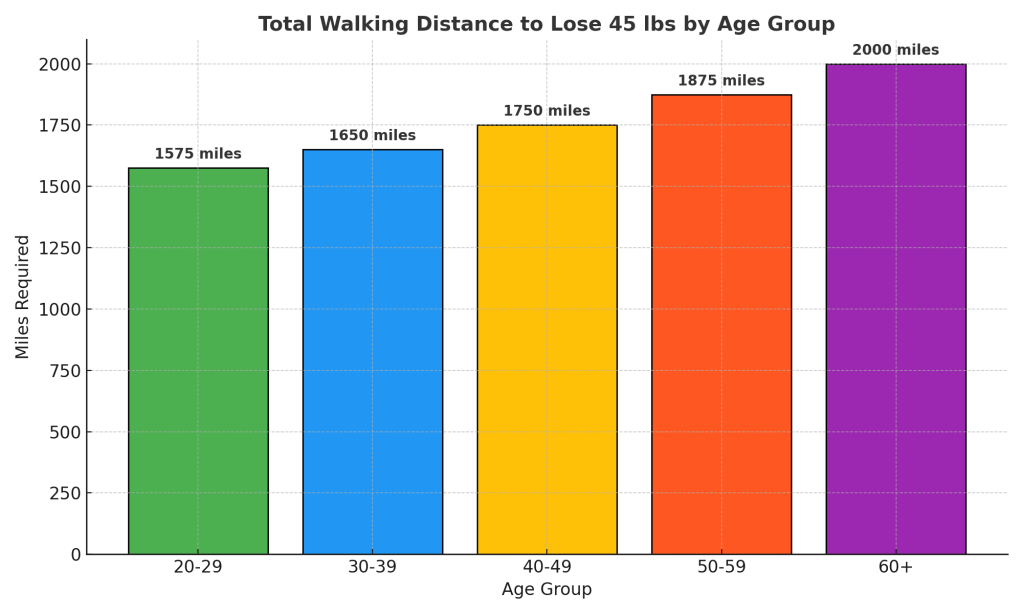
Miles Needed to Lose 45 lbs by Age Group
Metabolism and energy expenditure decline with age. As a result, older individuals often need to walk longer distances or walk more frequently to burn the same number of calories. Here’s a breakdown:
Age 20-29: ~1,575 miles
Age 30-39: ~1,650 miles
Age 40-49: ~1,750 miles
Age 50-59: ~1,875 miles
Age 60+: ~2,000 miles
These numbers assume consistent walking at a moderate pace (about 3.5 mph).
How Many Miles Should You Walk Per Day?
Let’s do the math for sustainable weight loss over time:
Goal: Lose 45 lbs in 6 months (approx. 180 days)
Age 30-39 example: 1,650 miles / 180 days = ~9.2 miles per day
This may sound like a lot, but don’t worry! You can adjust this based on your timeline and incorporate additional activities or dietary changes to supplement your efforts.
Make Your Walks More Effective
Boost calorie burn and improve results with these strategies:
Smartwatch or Fitness Tracker: Track your distance and calories burned with a smartwatch.
Reflective Gear: Stay safe with reflective vests for early morning or late evening walks.
Tips for Sticking to Your Walking Plan
Set a Routine: Schedule walks like any important appointment.
Find a Walking Buddy: Accountability keeps you consistent.
Use an App or : Try a TREADMILL to track progress and stay motivated.
Mix It Up: Walk in new places, listen to audiobooks or podcasts.
Set Milestones: Break down your 45 lb goal into 5 lb increments and reward yourself (non-food rewards!) for each milestone.
Health Considerations
Before starting any weight loss program, especially if you are over 50 or have underlying conditions, consult with a healthcare provider. Start slow and gradually build up your distance and intensity.
Sample Weekly Walking Plan
Day
Activity
Duration
Notes
Monday
Brisk Walk
60 min
Use weights or incline
Tuesday
Interval Walking
45 min
Alternate fast and slow paces
Wednesday
Long Walk
90 min
Moderate pace
Thursday
Rest or Light Stretching
–
Recovery
Friday
Brisk Walk
60 min
Try a new route
Saturday
Hill or Incline Walk
45 min
Burn extra calories
Sunday
Long Walk
90 min
Reflect on your progress
Many people have successfully lost weight through walking. One example: John, 42, started walking 6 miles a day while using a fitness tracker and dropped 50 lbs in under a year. His secret? Consistency, a good pair of walking shoes, and small daily goals.
Losing 45 lbs is a significant goal, but breaking it into manageable steps makes it achievable. Walking is low-impact, free, and flexible enough to fit into almost any schedule. No matter your age, you can tailor your walking plan to work with your lifestyle and fitness level.
Ready to get started? Equip yourself with the right tools and gear and take that first step today!
Recommended Tools Recap (Add Your Amazon Affiliate Tag):
Affiliate Disclosure: Hey! Just so you know, some of the links on this blog are affiliate links. That means if you click through and buy something, I may earn a small commission — at no additional cost to you. Thanks for supporting the site! As an Amazon Associate, I earn from qualifying purchases.


















 Hoodybud Creatives