The Art of Tattoos: A Deep Dive into Tattoo Artwork and Its Evolution

Tattoos have been an integral part of human culture for thousands of years, evolving from ancient rituals to a global art form. What started as a form of personal expression, spiritual symbolism, and cultural identity has now transformed into a dynamic and widely accepted art form that adorns bodies across the world. Tattoo artwork, in particular, is a combination of creativity, culture, history, and personal meaning. Whether you’re considering your first tattoo or you’re an experienced collector, the world of tattoo art is fascinating and rich with layers of significance. In this blog, we’ll take a deeper look into tattoo artwork, its history, the different styles, and what makes it so special to both artists and wearers. Before we jump in, here’s one thing I wish I’d known earlier… aftercare is just as important as placement. Here are a few products I swear by to help your tattoo heal without fading: 1. Hustle Butter Deluxe – Tattoo Healing Balm
✨ This is my go-to tattoo balm.
If you’re worried about your tattoo fading or getting itchy during the healing phase, Hustle Butter Deluxe is a lifesaver. It’s all-natural, smells amazing, and helps keep your ink vibrant while moisturizing your skin.
👉 Click here to check it out on Amazon
💉 2. Saniderm – Tattoo Healing Bandages
💡 Want your tattoo to heal clean and fast?
I swear by Saniderm Wraps — they’re breathable, waterproof bandages that protect your tattoo from germs, friction, and scabbing. No more cling film drama! Most artists use it now and it works like magic.
👉 Grab a pack on Amazon here
🌿 3. Tattoo Goo Lotion – Soothing Aftercare
🧴 Skip the heavy creams.
Tattoo Goo is super lightweight and perfect for those with sensitive skin. It helps prevent scabs, redness, and that awful itchy feeling. I’ve used it after every session and never had an issue.
👉 See the reviews on Amazon here
📖 4. Temporary Tattoos (Great for Testing Placement)
💭 Still unsure where you want your tattoo?
Try these realistic temporary tattoos to see how different designs look on your skin before committing. I use them when deciding placement — especially for visible spots like wrists or collarbones.
👉 Shop them on Amazon here

The History of Tattoo Artwork
Tattooing dates back thousands of years. Some of the earliest evidence of tattooing comes from archaeological finds such as the Iceman, Ötzi, whose mummified body was discovered in the Alps and bore tattoos believed to be over 5,000 years old. Throughout history, tattooing has played different roles depending on the culture. In ancient Egypt, tattoos were seen as a form of spiritual protection and healing, while in the Pacific Islands, tattoos were an important part of a person’s identity, status, and even their social role.
Over time, tattooing spread to various cultures. In Japan, tattoo art evolved into an intricate form of storytelling, with the designs often illustrating mythical creatures, historical figures, and nature. In the West, tattoos gained popularity in the 19th century with sailors and soldiers, often symbolizing achievements or personal milestones.
While tattoos were once seen as marks of rebellion or associated with subcultures, today they have become a mainstream art form, with people of all walks of life choosing to express themselves through tattoo artwork.

The Evolution of Tattoo Art Styles
Tattoo art has undergone significant changes throughout its history, with modern tattoo artists creating innovative and diverse designs that cater to a wide range of tastes. Below are some of the most popular tattoo styles and their origins.
1. Traditional (Old School) Tattoos
The traditional tattoo style, often referred to as “old school,” is one of the most recognizable and timeless tattoo styles. Characterized by bold lines, bright colors, and simple yet iconic imagery, this style features designs such as anchors, skulls, roses, hearts, and eagles. The traditional American tattoo style was popularized by artists like Norman “Sailor Jerry” Collins and continues to be a favorite for people looking for classic, timeless designs.
The hallmark of traditional tattoos is their straightforwardness. These designs are typically bold and easy to read, and they carry with them a sense of nostalgia for the days when tattoos were symbols of rebellion or belonging to a particular group, like sailors or soldiers. CLICK HERE FOR MORE TATTOO HISTORY
2. Realism
Realistic tattoos are a modern style that seeks to replicate a subject in as close to life-like detail as possible. These tattoos often feature portraits of people, animals, or landscapes, with incredible attention to detail and shading. Realistic tattoos demand a high level of skill from the artist, as they require intricate linework and shading to achieve depth, texture, and lifelike appearance.
Some of the most impressive examples of realistic tattoos can be found in portrait tattoos, where artists recreate the likeness of a loved one or a celebrity with stunning accuracy. Artists like Nikko Hurtado and Steve Butcher are well-known for their exceptional skills in the realism tattoo genre.

3. Watercolor Tattoos
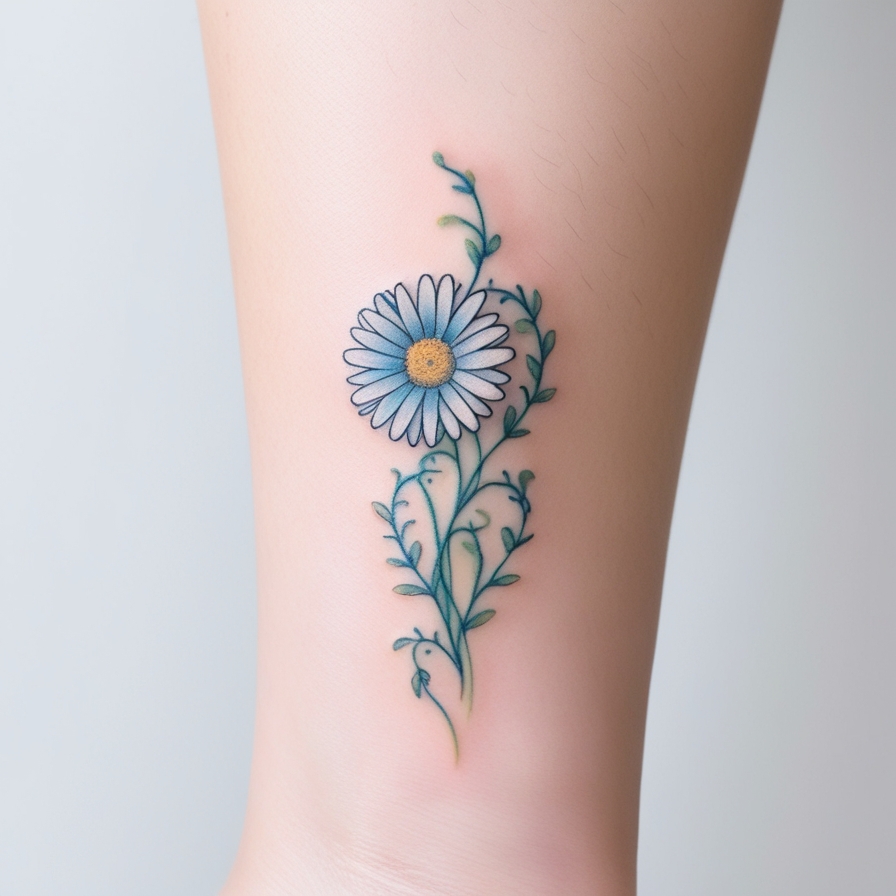
Watercolor tattoos are a relatively modern style that mimics the look of watercolor paintings. Unlike traditional tattoos, which use solid black lines and distinct colors, watercolor tattoos are known for their flowing, organic color splashes, often creating an abstract effect. These tattoos often have little to no outlines, relying on color gradients to form the shape and design.
Watercolor tattoos are ideal for those who want a vibrant, dynamic piece of art on their skin. They’re often used for floral designs, landscapes, or abstract artwork. Artists who specialize in this style are able to use color to create movement and emotion in their work, resulting in tattoos that appear as if they’ve been painted on the skin. CLICK HERE FOR TATTOO STENCIL PRINTER

4. Neo-Traditional Tattoos
Neo-traditional tattoos are an evolution of the traditional tattoo style. While they maintain the bold lines and vivid colors of old school tattoos, neo-traditional tattoos incorporate more modern and diverse elements. The designs tend to be more intricate and detailed, with the use of shading, depth, and new subject matter. These tattoos often feature animals, flowers, or portraits, but with a more stylized and complex twist compared to traditional tattoos.
This style has gained popularity because it allows for more creative freedom while still paying homage to the old school roots. It’s perfect for those who want something timeless but with a modern flair.

5. Tribal Tattoos
Tribal tattoos are one of the oldest forms of tattoo art and were originally used by indigenous cultures around the world. These tattoos typically consist of bold, black lines and geometric shapes that form intricate patterns. The designs are symbolic, often representing heritage, spiritual beliefs, or social status.
In modern tattoo culture, tribal tattoos remain popular, especially among those who want to express their connection to ancestral roots or simply enjoy the bold aesthetic. However, it’s important to approach tribal tattoos with cultural respect, as these designs carry deep cultural significance for many indigenous communities. CLICK HERE TO SHOP

6. Minimalist Tattoos
Minimalist tattoos have gained popularity in recent years due to their simplicity and elegance. These tattoos are often small and unadorned, with clean lines and sparse use of color. Minimalist tattoos focus on simplicity and subtlety, making them ideal for those who want a tattoo that is understated yet meaningful.
Common designs for minimalist tattoos include symbols, animals, geometric shapes, and small words or quotes. Because of their simplicity, minimalist tattoos can be placed almost anywhere on the body, making them versatile and easily concealable.

7. Japanese (Irezumi) Tattoos
Japanese tattoos, known as Irezumi, have a long history rooted in Japan’s culture. This style is characterized by large, colorful tattoos that often cover large areas of the body, such as the back, arms, and legs. Traditional Japanese tattoos feature iconic imagery such as koi fish, dragons, cherry blossoms, and tigers, each carrying its own symbolism.
Japanese tattoos are often intricate, with flowing designs that wrap around the body in a way that complements the shape of the wearer’s form. The symbolism behind the tattoos is also very important, as many designs represent values such as strength, perseverance, and protection.
CLICK LINK FOR JAPANESE TATTOO ART BOOK

8. Dotwork Tattoos
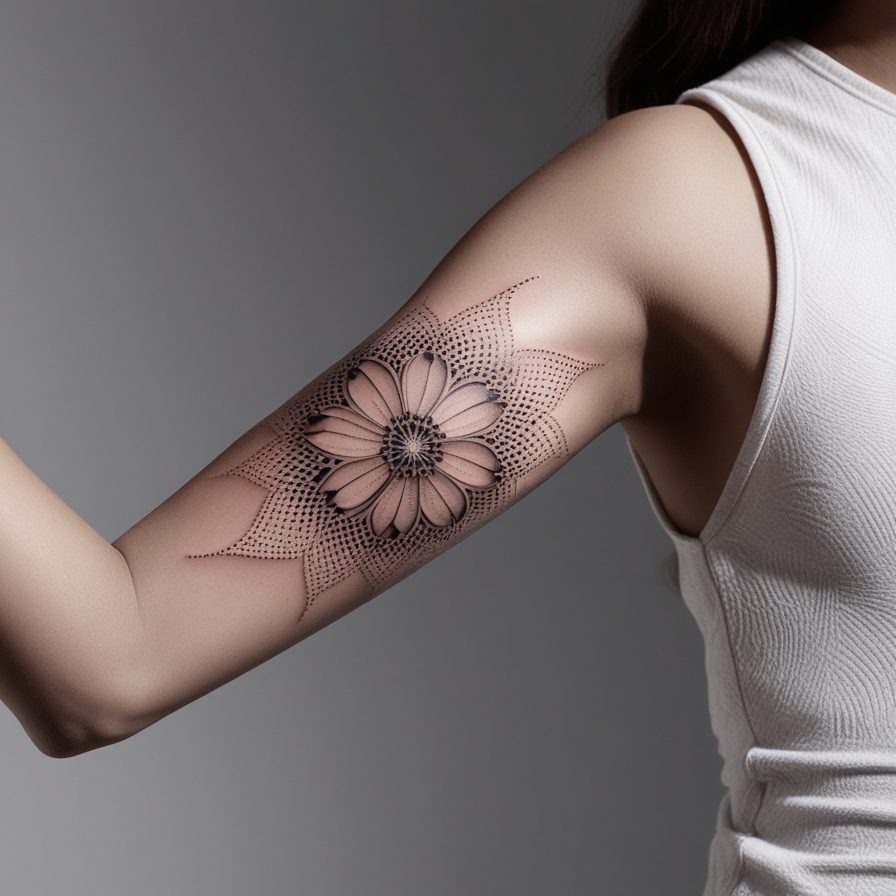
Dotwork tattoos use tiny dots to form intricate designs and patterns. This style is known for its precision and attention to detail, often resulting in complex geometric shapes, mandalas, and abstract patterns. Dotwork tattoos are often black and white, relying on the density and placement of the dots to create shading, texture, and depth.
This style is popular among those who enjoy minimalist aesthetics with a modern twist. It can also be combined with other tattoo styles, like geometric or abstract tattoos, to create a visually stunning effect.

Why Tattoo Artwork Is So Special
What makes tattoo artwork unique is its combination of personal expression and visual artistry. For the wearer, a tattoo often holds deep meaning, representing an important moment, person, belief, or feeling. Tattoos are permanent, making them a lasting form of self-expression. As such, many people choose tattoo artwork that resonates with them on a personal level.
On the other hand, tattoo artists approach the process as an opportunity to create living art on a human canvas. Tattooing is a skill that requires years of training, creativity, and precision. Good tattoo artists not only understand the technical aspects of tattooing, such as the use of needles, shading, and color, but they also have a deep understanding of the symbolism and cultural significance of tattoos.
For both the artist and the wearer, tattoos become a collaborative effort that results in a unique and timeless piece of art.
Tattoo artwork is far more than just ink on skin; it’s a profound form of personal expression, a cultural artifact, and a visual representation of one’s inner world. From traditional tattoos to modern styles like watercolor and realism, the evolution of tattoo art reflects the diversity of human experiences and creativity. Whether you’re drawn to the bold, iconic designs of old school tattoos or the delicate, flowing lines of minimalist tattoos, there’s a tattoo style that speaks to every individual.
If you’re thinking of getting a tattoo, take the time to explore the different styles, understand their meanings, and choose a design that resonates with you. A tattoo is more than just a decoration—it’s a piece of art that will stay with you for a lifetime.

FOR MORE TATTOO IDEAS CLICK HERE TO VIEW MY PINTEREST PAGE

Affiliate Link Disclaimer: Some links on this blog may be affiliate links, meaning I earn a small commission if you make a purchase through them, at no extra cost to you.
🧰 My Tattoo Aftercare Kit (Amazon Picks)
- ✔️ Hustle Butter Deluxe – All-natural balm that soothes and protects fresh ink
- ✔️ Saniderm Wraps – Breathable bandages to shield your tattoo
- ✔️ Tattoo Goo Lotion – Daily moisturizer for sensitive skin
- ✔️ Temporary Tattoos – Test placement before you commit
💬 Not Sure About Tattoo Placement?
Try these temporary tattoos to see how different placements look and feel. It’s the best way to test a design before committing to the real ink — especially for tricky areas like wrists, ribs, or collarbones.
Affiliate Link Disclaimer: Some links on this blog may be affiliate links, meaning I earn a small commission if you make a purchase through them, at no extra cost to you.

 Hoodybud Creatives